
Introduction
Designing a resort is not just about aesthetics—it’s about creating an immersive experience. From the moment guests arrive, the visual and sensory elements of your resort can define their entire stay. Whether you’re building a beachfront escape, a mountain retreat, or a wellness-focused hideaway, the decorating style you choose sets the tone for your brand, market positioning, and guest satisfaction.
Before hiring a resort design company to carry out your full project, it’s essential to familiarize yourself with popular resort decorating styles. Each style carries its own mood, cultural influence, and spatial functionality. Choosing the right one early on allows you to communicate clearly with your designer and ensures the final concept aligns with your vision, target audience, and location.
In this guide, we’ll walk you through the most compelling resort decorating styles to consider—so you can confidently approach your design firm with ideas that truly resonate.
1. Tropical Paradise Style
Overview
Inspired by island life and coastal living, the tropical style is perfect for resorts located near beaches or surrounded by lush landscapes.
Key Features
- Natural materials: bamboo, rattan, teak wood
- Bright, fresh color palettes: whites, ocean blues, leafy greens
- Open-air layouts and seamless indoor-outdoor flow
- Abundant greenery and plant accents
- Ceiling fans, thatched roofs, and breezy linen curtains
Ideal For
- Beachfront resorts in Thailand, Bali, the Maldives
- Wellness retreats focused on relaxation and nature
- Guests looking for a laid-back yet upscale escape
Why Choose It?
It appeals to international tourists seeking “vacation vibes” and delivers a refreshing, Instagram-worthy ambiance.
2. Modern Minimalist Resort Style
Overview
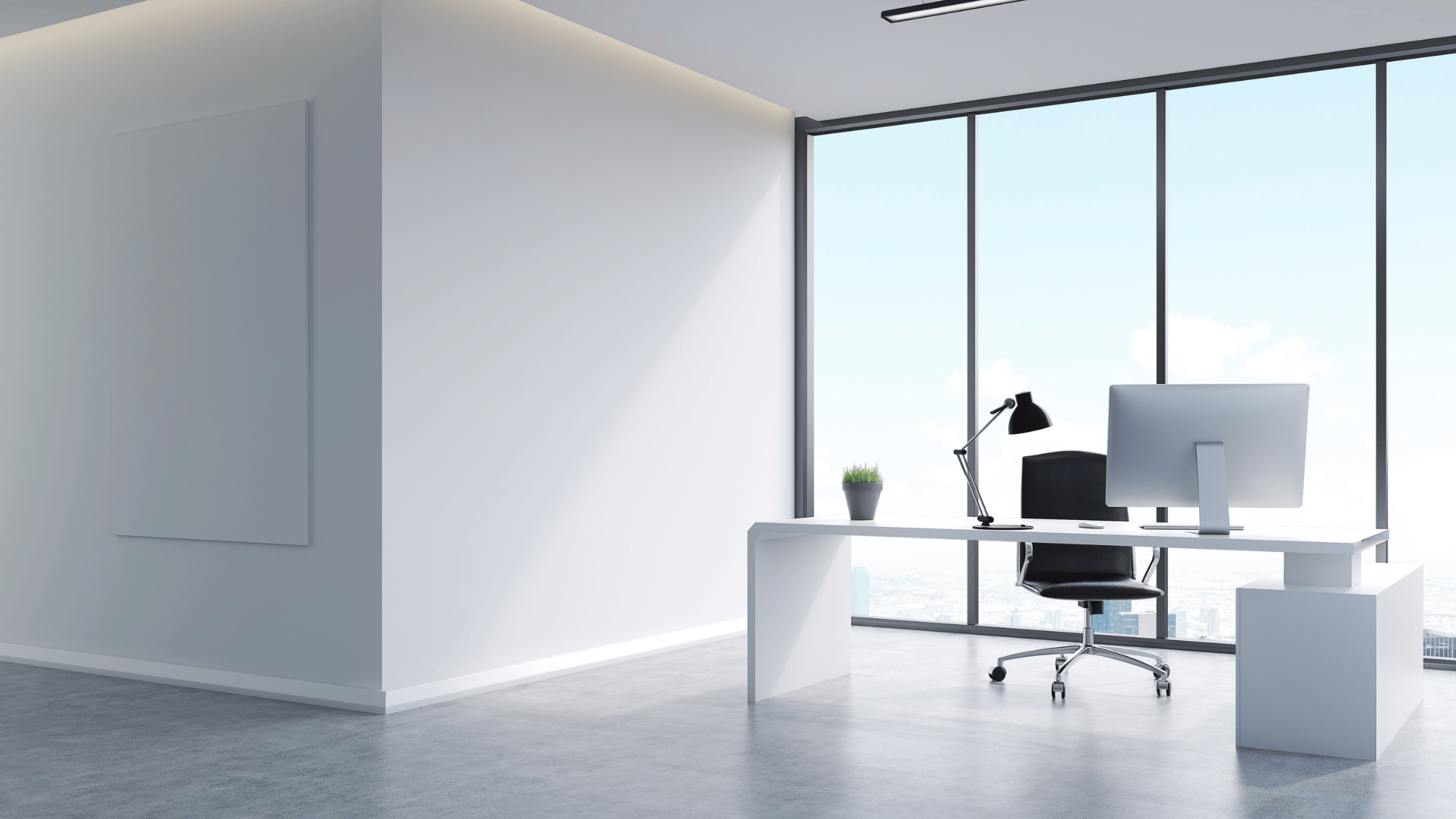
The minimalist approach focuses on simplicity, clean lines, and functionality. It’s ideal for luxury resorts that emphasize calmness, privacy, and sophistication.
Key Features
- Neutral color schemes: beige, taupe, soft greys, black and white
- Sleek furniture with subtle curves
- Large glass panels and open space concepts
- Minimal decoration with an emphasis on form and light
- High-end finishes: polished concrete, stone, brushed metal
Ideal For
- Urban or cliffside resorts
- Boutique hotels focused on adults or business travelers
- Wellness and spa resorts that focus on calm, silence, and clarity
Why Choose It?
This style creates a serene atmosphere that highlights architecture and surroundings—perfect for guests seeking peace, space, and elegance.
3. Rustic Nature-Inspired Style
Overview
The rustic resort style draws from countryside charm and natural materials. It creates a cozy, grounded environment with an earthy feel.
Key Features
- Exposed wood beams, stone walls, raw textures
- Warm tones: browns, terracotta, olive greens
- Handcrafted furniture and local artisan decor
- Fireplaces, woven rugs, and ambient lighting
- Integration of landscape elements like rocks and trees
Ideal For
- Mountain resorts or forest lodges
- Glamping resorts or eco-retreats
- Families and couples seeking a nature-centric escape
Why Choose It?
Rustic design fosters a sense of warmth and comfort. It appeals to eco-conscious travelers and supports local craft aesthetics.
4. Mediterranean Resort Style
Overview
Inspired by coastal towns in Greece, Italy, and Spain, the Mediterranean style is light, airy, and deeply relaxing.
Key Features
- Stucco walls, arched windows and doorways
- White-washed interiors with blue, terracotta, and gold accents
- Patterned tiles, wrought-iron details, and mosaic artwork
- Olive trees, lavender plants, and stone walkways
- Shaded terraces, open courtyards, and breezy spaces
Ideal For
- Resorts in dry or coastal climates
- Culinary-focused or romantic getaway destinations
- Couples and travelers drawn to European elegance
Why Choose It?
This timeless style is inviting, stylish, and works exceptionally well with sun-soaked landscapes.
5. Bohemian Chic Resort Style
Overview
Free-spirited and eclectic, the boho resort style blends comfort with color and personal expression. It works best in artistic or spiritual locations.
Key Features
- A mix of patterns, textures, and earthy tones
- Low-seating furniture, hammocks, and poufs
- Global influences (Moroccan, Indian, African accents)
- Layered textiles, tapestries, and fringe decor
- Emphasis on handmade items and relaxed environments
Ideal For
- Yoga retreats or creative residencies
- Boutique resorts in desert, jungle, or hillside settings
- Millennials and Gen Z travelers who seek authenticity
Why Choose It?
Boho décor creates an immersive, homey atmosphere that celebrates diversity, creativity, and community.
6. Contemporary Luxury Style
Overview
For upscale resorts that want to project exclusivity and innovation, contemporary luxury combines high-end materials with architectural flair.
Key Features
- Smart lighting and automated amenities
- Marble, velvet, glass, and metallic elements
- Bespoke art and statement furniture pieces
- Dark woods and bold accent colors (e.g., emerald, navy, gold)
- Clean symmetry with high ceilings and dramatic lighting
Ideal For
- High-end resorts targeting VIP clients
- City resorts or those with limited natural scenery
- Conference resorts and branded hotel chains
Why Choose It?
Luxury modern design sends a clear message of prestige and world-class service, attracting clientele willing to pay premium rates.
7. Traditional Thai or Cultural Heritage Style
Overview
A celebration of local culture, this style incorporates traditional Thai architecture and craftsmanship, ideal for resorts that aim to offer cultural immersion.
Key Features
- Thai-style roofs, intricate wood carvings
- Golden or lacquered details
- Use of silk, traditional patterns, and Buddhist-inspired art
- Courtyards, lotus ponds, and spirit houses
- Integration with teak or local hardwoods
Ideal For
- Resorts in historical towns like Chiang Mai or Ayutthaya
- Cultural or wellness retreats
- Travelers seeking authenticity and heritage experiences
Why Choose It?
This design connects guests with Thai identity and values, enhancing cultural tourism appeal.
Conclusion
Resort decorating isn’t just about beauty—it’s a strategic decision that influences your target market, guest satisfaction, and long-term brand identity. Before you consult with a resort design company, exploring these top decorating styles can give you clarity and direction. From the breezy tropical vibe to the elegant minimalist approach or locally inspired cultural designs, each style speaks to a unique type of traveler and resort mission.
The best approach is to define your brand story, understand your target audience, and evaluate your natural surroundings, then align those elements with a style that enhances your vision. When you’re ready to meet with a design firm, having a clear stylistic direction will not only save time—it will result in a more successful, coherent, and impactful resort design.